The Sensible Black Friday 2026 Shortlist for UK PC Builders
Photo: Vlask, CC BY-SA 4.0, via Wikimedia Commons
Black Friday 2026 lands on 27 November, but the UK component shelves are already noisy with 'early' offers. As of 8 November, the sensible move is not to buy everything with a red badge. It’s to decide which parts are worth waiting for, which retailers tend to play it straight, and which discounts are pure theatre.
Check the price history before the badge
Before you click, run the model number through a price tracker. For Amazon UK, CamelCamelCamel and Keepa are the usual tools. For Scan, Overclockers UK and Ebuyer, cross-check with Google Shopping, PriceSpy UK and old HotUKDeals threads. If a 2TB NVMe drive has sat at £105 for most of 2026 and the Black Friday page says 'was £180, now £110', that is not a saving. It is a normal price with a fictional past.
The red flags are consistent: inflated RRPs, bundles that pad a mediocre GPU with a keyboard you will never use, marketplace sellers offering no UK warranty, countdown timers on stock that has been available for weeks, and prices that quietly rose in early November. Take a screenshot, note the warranty terms and check who is actually selling the item.
Retailer by retailer
Scan
Scan is often strongest on PSUs, cases and cooling. Its clearance section can be worth a look, and own-brand bundles are usually sensible. Watch delivery charges and newsletter-only prices. If you can collect from Horwich, do the maths on fuel versus postage.
Overclockers UK
OCUK is the enthusiast stop for cases, coolers and high-refresh monitors. Its bundles can be good, but price each part separately. A 'free' game or mouse is not free if the bundle is £40 more than the components bought alone.
Ebuyer
Ebuyer is worth watching for SSDs, PSUs and mainstream motherboards. Stock can be patchy, and next-day delivery is not guaranteed during the rush. Check whether you are buying from Ebuyer or a marketplace partner.
Amazon UK
Amazon UK has genuine lows on Crucial, Samsung, WD and Corsair kit, but it is also the wild west. Buy when Amazon is the dispatcher or the seller is the manufacturer’s official UK store. Check the return window and whether the warranty is UK-based. Avoid grey imports and 'used – like new' returns for critical parts.
The three-tier 1440p plan
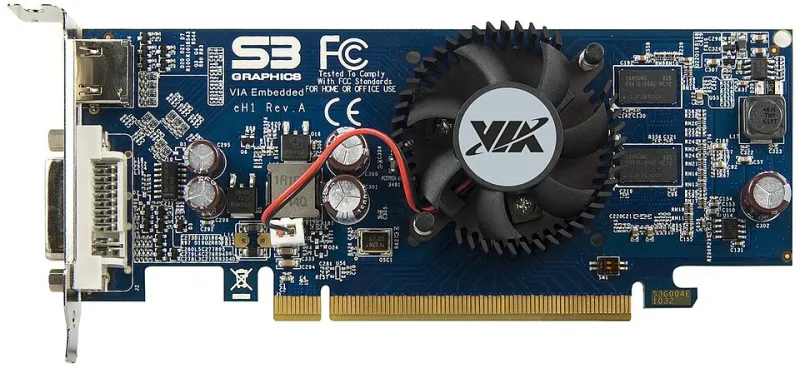
Tier 1: £250–£450 upgrade. You already have a usable CPU and motherboard. Prioritise a 2TB NVMe SSD (£80–£110), a 750W Gold PSU (£75–£95) and an airflow case (£60–£90). Buy a GPU only if it is a true historical low. This tier removes bottlenecks rather than chasing 4K.
Tier 2: £900–£1,200 1440p build. Target a six-core CPU, B650 or B760 board, 32GB DDR5, 1–2TB SSD, 750–850W Gold PSU and a 1440p GPU. Black Friday is good for the case, PSU and SSD; CPU and motherboard deals are often modest. Do not accept a bundle with a weak PSU to save £20.
Tier 3: £1,500–£1,900 high-refresh 1440p build. The GPU is the big ticket. Wait for a genuine low or a January stock clearance. Spend on an 850W PSU and a case you can build in. A £200 case will not make frames, but a bad £50 case will make noise.
Buy now or wait for January?
Buy now: PSU, case, SSD and cooler if they are at real lows. These rarely crash much further, and stock is better before the 27 November rush. Leave until January: GPUs, CPU/motherboard bundles and monitors. Post-Christmas stock adjustments often beat Black Friday on graphics cards, and you avoid the delivery chaos.
The best Black Friday 2026 purchase is the one you would have made at the same price in October. If it only looks cheap because of a fake 'was' price, close the tab and put the kettle on.